Every parent wants their child to grow up healthy and confident. But when it comes to oral health, many families delay dental visits until a problem appears. This waiting game can lead to avoidable pain, expensive treatments, and a lifetime of dental anxiety. Teaching children good oral habits from a young age builds a foundation that protects their smile for decades to come.
In cities across India, awareness about children's oral health is growing steadily. Parents now understand that baby teeth aren't just temporary placeholders. They guide permanent teeth into proper positions, help children speak clearly, and allow them to chew food properly for nutrition. When a child loses baby teeth too early due to decay or trauma, it can create spacing issues and require corrective treatments later.
Understanding the Unique Needs of Young Smiles
Children's teeth and gums need special attention. Their oral structures are still developing, and what works for adults doesn't always suit younger patients. From the moment the first tooth appears, usually around six months, parents should begin gentle cleaning routines. A soft cloth or tiny brush with just a smear of fluoride toothpaste is enough initially.
As more teeth come in, brushing becomes more important. Many Indian children consume sweets during festivals, celebrations, and as everyday treats. While these moments create happy memories, they also expose young teeth to sugars that feed harmful bacteria. Regular brushing, especially before bedtime, removes food particles and protects enamel from acid attacks overnight.
Professional care tailored specifically for young patients makes a real difference. When looking for kids dental care in vijayawada, parents should consider facilities that create welcoming environments. Bright colours, friendly staff, and child-sized equipment help reduce fear and build positive associations with dental visits.
What Makes Children's Dental Care Different
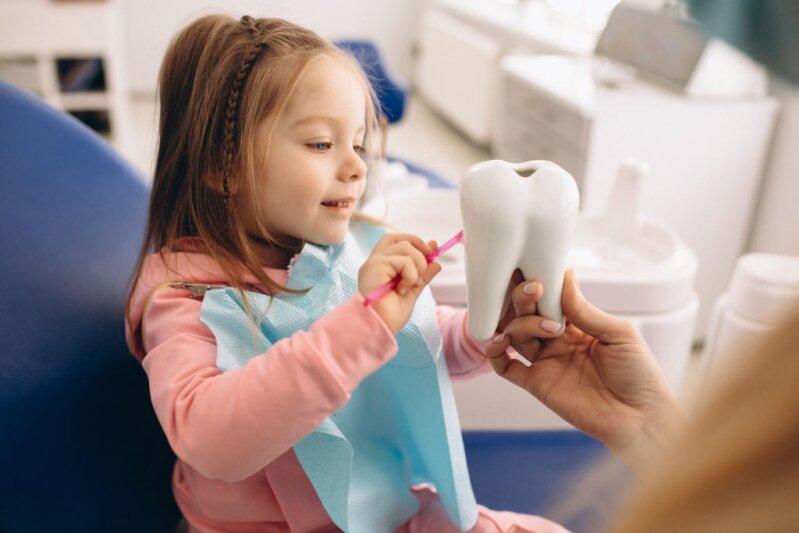
A specialist who understands child psychology and development can make treatments feel less intimidating. Young patients often feel nervous about unfamiliar sounds, bright lights, and sitting still in a dental chair. Professionals trained in working with children use simple language, demonstrate procedures on toys first, and move at a comfortable pace.
The Best kids dental care in Vijayawada combines clinical expertise with patience and empathy. Parents should look for practitioners who answer questions clearly, involve children in their own care, and celebrate small victories like cavity-free checkups or brave behaviour during treatments.
Beyond routine cleanings, children sometimes need preventive treatments. Dental sealants, for example, are thin protective coatings applied to the chewing surfaces of back teeth. These teeth have natural grooves where food gets trapped easily, making them prone to decay. Sealants act as barriers, keeping bacteria and food particles out. They're painless to apply and can last several years with proper care.
Fluoride treatments also strengthen developing enamel. While Indian toothpaste contains fluoride, professional applications provide extra protection, especially for children at higher risk of cavities due to diet, genetics, or oral hygiene challenges.
Common Dental Issues in Growing Children
Tooth decay remains the most common chronic childhood condition in India. Frequent snacking, sugary drinks, and inadequate brushing create perfect conditions for cavities. If left untreated, decay causes pain, affects eating and sleeping, and can harm self-esteem when visible front teeth are damaged.
Another concern is thumb-sucking or prolonged pacifier use. While normal in infants, these habits should ideally stop by age three or four. Continued pressure on developing teeth can push them forward, creating bite problems that need correction later.
Accidents happen frequently with active children. A fall on the playground or a collision during sports can chip, crack, or knock out teeth. Having access to Pediatric dental care in Vijayawada means knowing where to go immediately when emergencies occur. Quick action can sometimes save an injured tooth or prevent infection.
Building Lifelong Healthy Habits
Early dental visits do more than treat problems. They teach children how to care for their own mouths. Learning proper brushing technique, understanding why flossing matters, and recognizing which foods harm teeth creates awareness that lasts into adulthood.
Parents play a crucial role in this education. Supervising brushing until children develop the coordination to do it well, usually around age seven or eight, ensures thorough cleaning. Making oral care fun through songs, timers, or reward charts keeps children engaged without turning it into a battle.
Visiting a Children's dental clinic in Vijayawada regularly, typically every six months, allows professionals to monitor growth patterns. They can spot potential issues like crowding or misalignment early when interventions are simpler and less costly.
Diet significantly impacts oral health. Limiting sticky sweets, encouraging water over sugary drinks, and offering crunchy vegetables and fruits that naturally clean teeth all contribute to healthier smiles. A Kids dentist in Vijayawada can provide personalized dietary guidance based on a child's specific needs and risk factors.
Choosing the Right Care for Your Family
Finding appropriate Child dental care in Vijayawada involves research and often trial and error. Ask other parents for recommendations, read reviews if available, and schedule initial consultations to assess comfort levels. The right fit feels welcoming from the first visit.
Location and accessibility matter too. A conveniently located dental clinic in Vijayawada reduces the temptation to skip appointments due to distance or traffic. Regular attendance ensures continuous monitoring and prevention rather than reactive emergency care.
Modern techniques and equipment enhance both comfort and outcomes. Advanced kids dental care in Vijayawada might include digital X-rays with less radiation exposure, laser treatments that reduce discomfort, or sedation options for children with severe anxiety or special needs.
Cost concerns affect many families. Fortunately, preventive care costs far less than treating advanced decay or other problems. Seeking out Affordable kids dental care in Vijayawada helps families prioritize prevention and obtain treatment before issues become serious. Many facilities offer payment plans or accept various insurance schemes, making quality care more accessible.
Some parents prefer facilities that serve the whole family. A Best dental clinic in Vijayawada with both general and pediatric services allows everyone to maintain their oral health conveniently. Siblings can have appointments back-to-back, and parents can address their own needs too.
Evaluating Quality and Credentials
Not all facilities offer the same level of expertise or technology. A Top dental clinic in Vijayawada typically invests in continuing education for staff, maintains strict sterilization protocols, and stays updated on the latest treatment approaches. Don't hesitate to ask about qualifications, experience with children, and safety measures.
Technology plays an important role in modern dental care. An Advanced dental clinic in Vijayawada might use intraoral cameras to show children exactly what's happening inside their mouths, turning education into an interactive experience. Digital records make tracking growth and treatment history easier over years.
Budget-conscious families can still access quality care. An Affordable dental clinic in Vijayawada balances cost with quality, offering transparent pricing and essential services without unnecessary upselling. Preventive visits and basic treatments should remain accessible to all economic backgrounds.
For complex cases involving multiple dental specialties, a Multispeciality dental clinic in Vijayawada provides coordinated care. If a child needs orthodontics, oral surgery, or treatment for developmental issues, having various specialists under one roof simplifies the process and ensures everyone works together toward the best outcome.
Frequently Asked Questions
At what age should my child first visit a dental professional?
The first visit should happen by the child's first birthday or within six months after the first tooth appears. Early visits focus on prevention, education, and helping your child become comfortable with the dental environment rather than treating problems.
How often do children need dental checkups?
Most children benefit from checkups every six months. However, those at higher risk for cavities or with ongoing treatments might need more frequent visits. Regular attendance allows professionals to catch issues early when treatment is simpler.
What should I do if my child fears the dentist?
Start with positive conversations about dental visits without focusing on pain or needles. Read children's books about going to the dentist, and avoid using visits as threats or punishment. Choose a practice experienced with anxious children who can take extra time to build trust.
Are X-rays safe for children?
Modern digital X-rays expose children to very low radiation levels, less than they receive from natural background sources in daily life. Dentists only take X-rays when medically necessary and use protective lead aprons to minimize exposure further.
What can I do at home to prevent cavities?
Brush your child's teeth twice daily with fluoride toothpaste, limit sugary snacks and drinks between meals, encourage drinking water, and ensure they get enough calcium and vitamin D for strong tooth development. Supervise brushing until they have the skills to do it thoroughly themselves.
Does thumb-sucking really affect teeth?
Occasional thumb-sucking in young children rarely causes lasting problems. However, intense or prolonged sucking beyond age four can push teeth forward or affect jaw development. If the habit persists, discuss intervention strategies with a dental professional.
What should I do if my child knocks out a permanent tooth?
Handle the tooth by the crown, not the root. If possible, rinse it gently and try to place it back in the socket. If that's not feasible, keep it moist in milk or the child's saliva and seek emergency care immediately. Time matters greatly for successful re-implantation.
Conclusion
Prioritizing oral health from early childhood creates benefits that extend far beyond straight teeth and cavity-free checkups. Children who grow up understanding and practicing good dental habits carry those skills into adulthood. They experience less pain, fewer missed school days, and greater confidence in their smiles. Parents who invest time in finding the right care, maintaining regular visits, and reinforcing healthy habits at home give their children a genuine advantage. A healthy smile opens doors socially and professionally throughout life, making early attention to dental care one of the most valuable gifts parents can provide.
Source: Why Starting Dental Care Early Matters for Your Child's Future